I'm 60 years old. I've cooked on gas stoves, electric stoves, induction, and campfires. I've owned non-stick pans, ceramic pans, stainless steel pans, and pans that claimed to be something special and weren't.
The short version
- It started late — I was 57 when I discovered cast iron, three years ago.
- The pan that matters — Mamaw’s no-label #8 skillet brings back the smell of chicken frying after Sunday church lunches.
- Know your brands — Lodge is the reliable truck at $30-60 for everyday cooking, Field Co. is the Instagram influencer at $100-200, and Lancaster is the comeback kid at $100-175.
- Griswold still commands money — a Griswold #8 in good condition can fetch $300-500 today.
- One pan, one job — my Lodge #12 is dedicated to deep dish pizza.
Three years ago, at 57, I discovered cast iron.
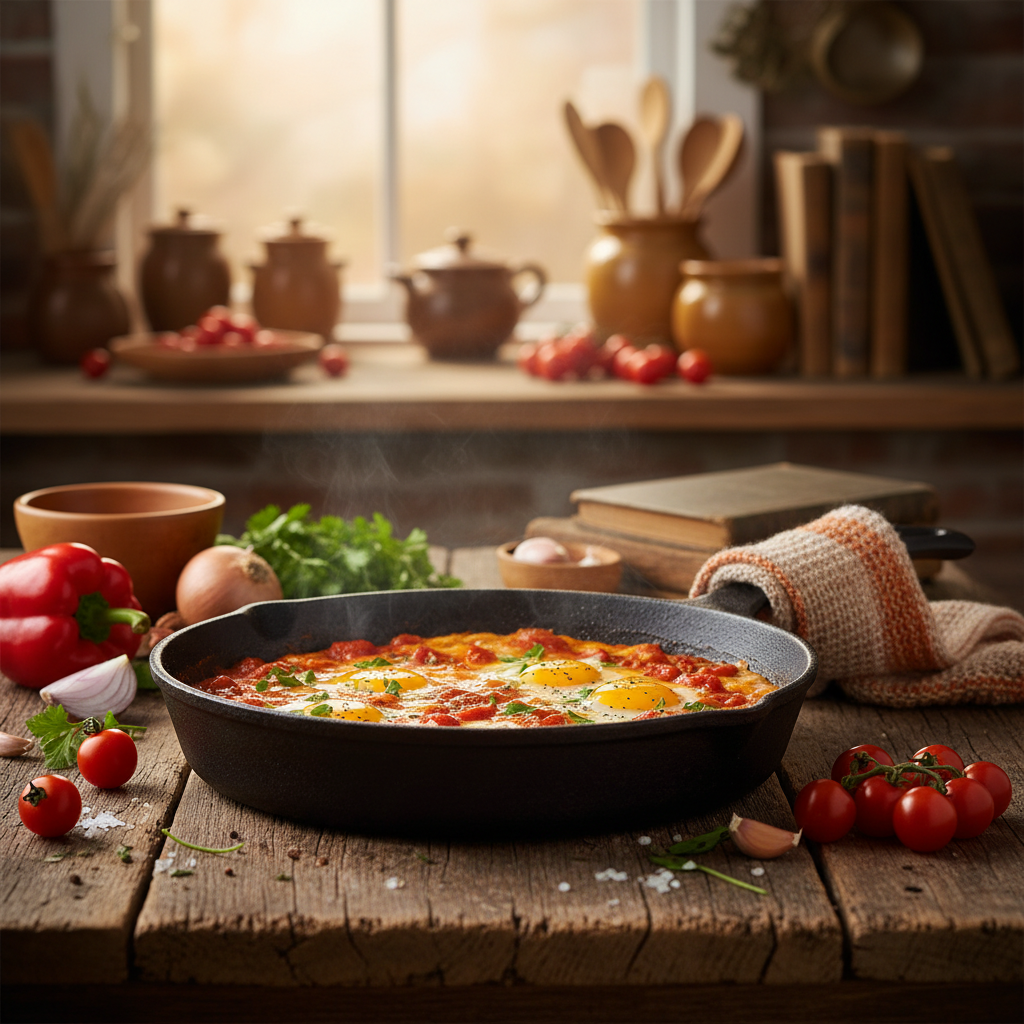
Kristi's grandmother — Mamaw — had given her a no-label #8 skillet years before. No brand, just a solid piece of cast iron that had been in their family for decades. It sat in our cabinet, overlooked, ignored, doing nothing. One morning — I don't remember why — I grabbed it.
Love at first stick.
That pan had been waiting for someone to appreciate it. Mamaw was a fantastic cook and an even better person. Every time I use that #8, I can smell chicken frying in her kitchen for those Sunday after-church lunches. It warms my heart in a way cookware shouldn't, but somehow does.
The Cast Iron Timeline
The Grandfather: Lodge
No conversation about cast iron starts anywhere but Lodge.
The Lodge Manufacturing Company was founded in 1896 in South Pittsburgh, Tennessee. That's over 125 years of making pans heavy enough to use as doorstops.
Here's what I love about Lodge: they never stopped making cast iron the old way. While everyone else was going thin, going non-stick, going fancy, Lodge kept churning out those thick, slightly rough, absolutely indestructible skillets.
The classic Lodge skillet is like a good truck. It doesn't look pretty. It doesn't have elegant curves. But it'll outlive you, your kids, and probably your house.
I've got a Lodge #12 dedicated to one thing: deep dish pizza. That beast holds heat like nothing else and gives me that crispy crust I'm after.
Cast Iron Personality Types
The Golden Age: Griswold, Wagner, and BSR
Here's where cast iron gets interesting — and where I learned I was late to a party that started in 1890.
Griswold was THE name in cast iron from about 1890 to the 1950s. Based in Erie, Pennsylvania, they made smooth-bottom skillets that are now collector's items. A Griswold #8 in good condition can fetch $300-500 today.
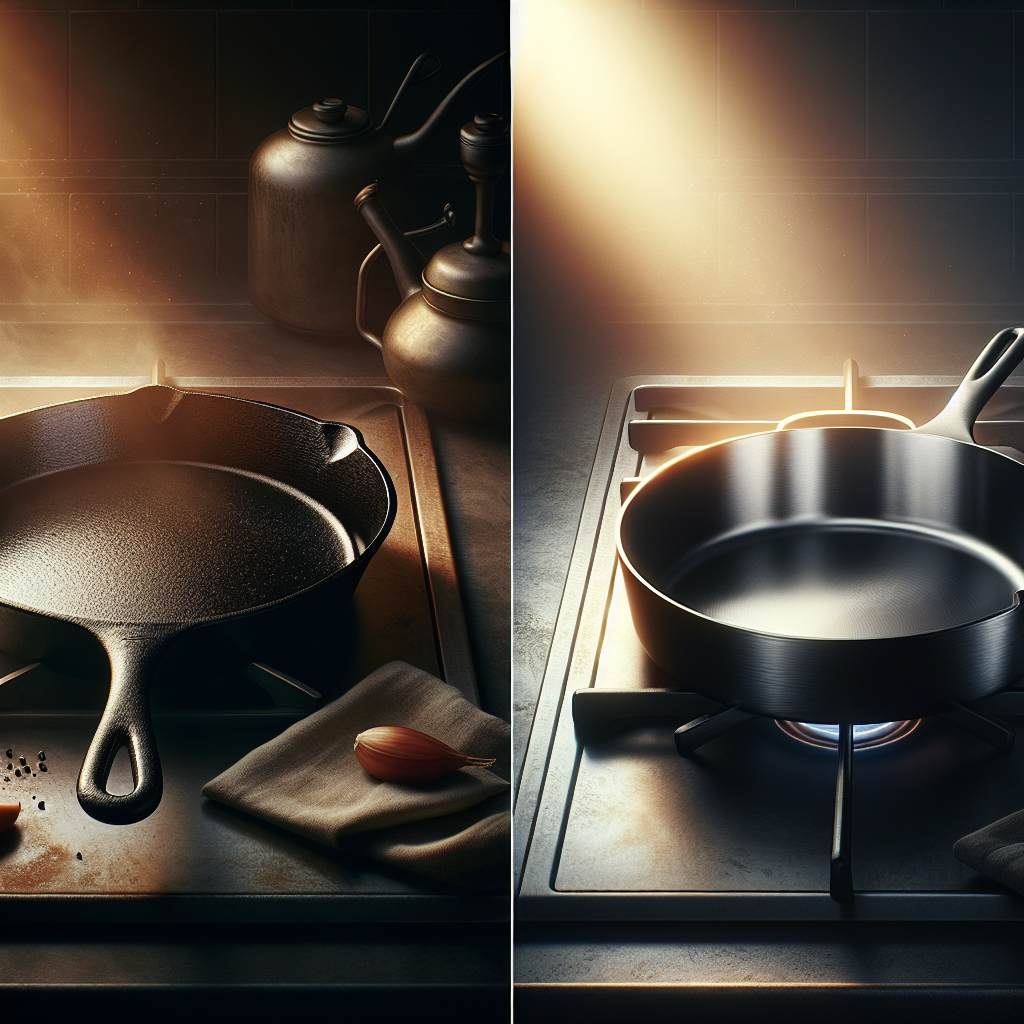
The secret? Griswold used smoother molds and better iron. Their skillets are thinner, lighter, and smoother than Lodge. People who know these things will tell you a vintage Griswold is the holy grail.
Wagner was Griswold's main competitor, also based in Ohio. Their "Ware" line was similar — smooth, well-made, collectible now. Wagner famously made the "Revival" line in the 1970s that's also sought after.
BSR — Birmingham Stove & Range — made the "Skillet" brand. Based in Birmingham, Alabama, BSR skillets are known for being thick, heavy, and built like tanks. Their #10 and #12 pans are massive beasts that people pay premium prices for now.
The tragedy? Most of these companies died in the 1960s. Lodge bought up their tooling, their patterns, their recipes. The cast iron industry consolidated, and for about 40 years, Lodge was basically the only game in town.
The pans got boring. The industry got cheap. Cast iron became something you inherited, not something you bought.
The Modern Revival: Field, Smithey, and Lancaster
Then something happened.
People started caring about cooking again. Actually cooking, not just microwaving. And they wanted tools that felt real. Tools with history. Tools you could pass down.
Field Company — founded in 2015 by brothers Chris and Jason Field — kicked off the modern cast iron revival.
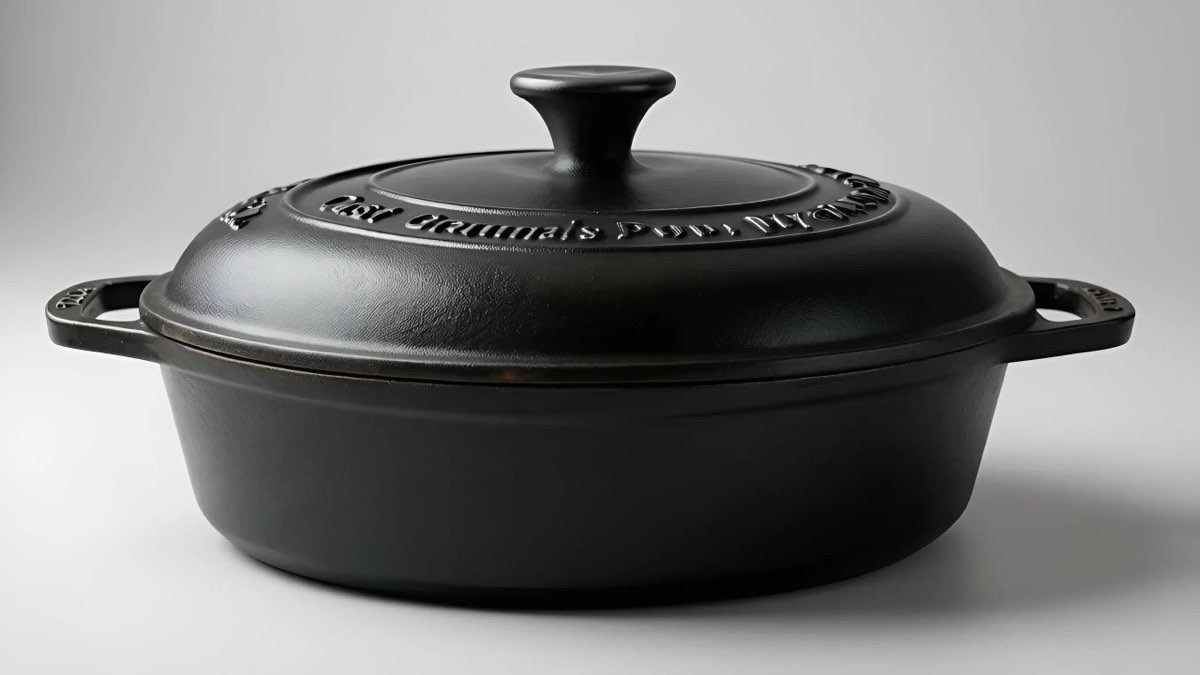
I went all in. I've got Field Company skillets in #6, #8, #10, and #12. That's the whole lineup. Plus their 5.5 and 7.5 quart Dutch ovens. When Field does something, they do it right.
Is it 5x better than my $30 Lodge? Objectively, no. Subjectively? Maybe. The smoothness does make eggs slide better. The finish is prettier. And when you post a photo of your breakfast, the internet notices.
Smithey Ironware Co. launched in 2018, based in Charleston, South Carolina. They took the Field model and added something: their pans come pre-seasoned with a beautiful, dark, glossy finish that looks like someone poured a gallon of oil on it and set it on fire (in a good way).
A Smithey #10 will run you $225. For a pan. That you cook eggs in.
Lancaster Cast Iron came along in 2020, founded by former Lodge employees who wanted to make American-made cast iron with vintage techniques. Their pans are smooth, their prices are competitive ($100-175), and they have that "we know what we're doing" vibe.
Here's the thing about all these companies: they didn't reinvent cast iron. They just remembered what everyone else forgot.
Smooth surfaces cook better. Good iron matters. The finish isn't just cosmetic — it affects everything.
My Collection: More Than Just Pans
I didn't mean to become a collector. It just happened.
Big Kel's Cast Iron Collection
The Nuydea Cast Iron Chicken Fryer is my most treasured piece. Mamaw handed it down to us with love and responsibility. Every time I see it, I can smell chicken frying in her kitchen for those Sunday after-church lunches. Warms my heart in a way nothing else does.
How I Actually Cook With Cast Iron Now
I'm not going to lie to you. I still mess up sometimes.
Last month, I tried to make a frittata in my Field #10. I didn't let it cook long enough on the stovetop, and when I tried to flip it, half of it ended up on the stove. On the floor. Our Golden Retriever, Rudy, was delighted.
But here's what I've learned:
- Start with bacon. Always. Bacon builds seasoning. Bacon is forgiving. Bacon makes everything smell amazing. Cook bacon. Let it cool. Wipe it out. Your pan will love you.
- Preheat on medium-low. Not medium. Not medium-high. MEDIUM-LOW. Cast iron takes time to heat evenly. Rush it, and you'll have a hot spot that cooks your eggs while leaving the rest raw.
- Use more fat than you think you need. Butter. Bacon grease. Lard. Whatever. Cast iron isn't non-stick — it's "uses-oil-as-a-release-agent." Respect the fat.
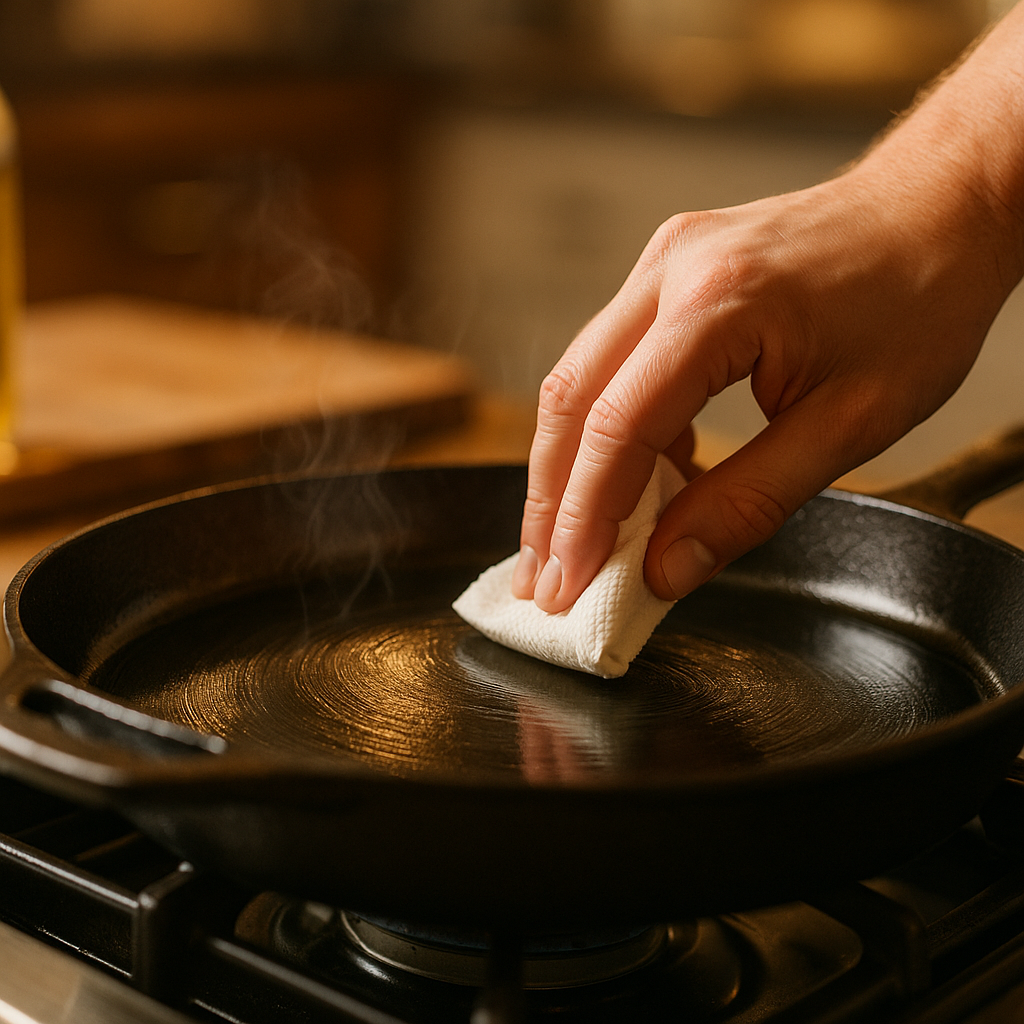
- Don't soak it. Ever. Just wipe it out. If it's sticky, scrub with kosher salt and a little oil. That's it.
- Stack 'em. I cook bacon, then eggs in the same pan. Why? Because bacon grease is liquid gold for eggs. Seasoning begets seasoning.
The Secret Nobody Tells You
Here's what took me way too long to figure out: cast iron doesn't have to be perfect.
Mamaw's no-label #8 has seen better days. The surface isn't smooth. It's not pretty. But it makes the best eggs I've ever had, because I don't care if I scratch it, I don't care if I mess it up, and I've put three years of cooking into its seasoning.
The new Field pans — they're beautiful. They're investments. They feel like heirlooms.
But you know what? A cast iron pan is only as good as the food you cook in it. And the food you cook in it is only as good as the person behind the stove.
I've ruined a lot of eggs in my life. I've burned butter. I've scraped seasoning off because I was impatient. I've neglected pans for months, let them rust, then brought them back.
And you know what? Every single mistake taught me something.
The Takeaway
If you've got a cast iron skillet in your cabinet, pull it out tonight. Cook something simple. Bacon. Eggs. A burger. Don't worry about Instagram. Don't worry about the perfect sear.
Just cook.
The pan's been waiting for you.
Mine waited 55 years. I'm glad I finally answered.